With energy costs remaining high and the UK pushing towards improved home energy performance, 2026 is a key year for homeowners to invest in practical retrofit upgrades. Improving the thermal efficiency of existing homes not only reduces energy bills but also increases comfort, property value, and long-term sustainability.
Below are the top five retrofit measures nominated by Warm Life Ltd that are proving most effective in keeping homes warm and energy efficient in 2026.
- Wall Insulation
Wall insulation remains one of the most impactful retrofit upgrades, particularly for older UK properties with solid or uninsulated cavity walls. A significant amount of heat is lost through external walls, making this upgrade essential for improving thermal performance.
- Reduces heat loss by up to 35%
- Improves indoor comfort and reduces cold spots
- Supports compliance with PAS 2035 retrofit standards
With government-backed schemes continuing to prioritise fabric-first improvements, wall insulation is a cornerstone of modern retrofit strategies.
- Loft & Cavity Insulation
Heat rises, and without adequate loft insulation, much of it is lost through the roof. Upgrading loft insulation to recommended depths (up to 300mm) is one of the most cost-effective energy efficiency measures available.
- Quick installation with minimal disruption
- Immediate improvement in warmth
- Long lifespan and strong return on investment
Loft and cavity insulation upgrades continue to be supported through national efficiency programmes, making them a sensible first step for many households.
- Draught-Proofing
Draught-proofing is often overlooked, yet it plays a crucial role in reducing unnecessary heat loss. Gaps around doors, windows, floors, and pipework can significantly affect heating efficiency.
- Low-cost, high-impact improvement
- Reduces cold air infiltration
- Improves overall performance of existing heating systems
As energy efficiency standards tighten, addressing uncontrolled air leakage is increasingly important.
- Double Glazing
Older single-glazed or inefficient windows can undermine other retrofit improvements. Modern double or triple glazing helps retain heat while also improving noise reduction and security.
- Reduces heat loss through windows
- Minimises condensation and draughts
- Enhances comfort and property value
Window upgrades are particularly effective when combined with insulation and draught-proofing measures.
- Smart Heating Controls
Smart heating controls allow homeowners to manage energy use more effectively by heating spaces only when required. These systems work especially well in insulated homes, where retained heat can be better controlled.
- Improved control over heating schedules
- Reduced energy waste
- Better integration with modern heating systems
Smart controls align with wider UK policy trends focused on reducing overall household energy demand rather than simply increasing energy supply.
Looking Ahead: Retrofit and Policy Trends
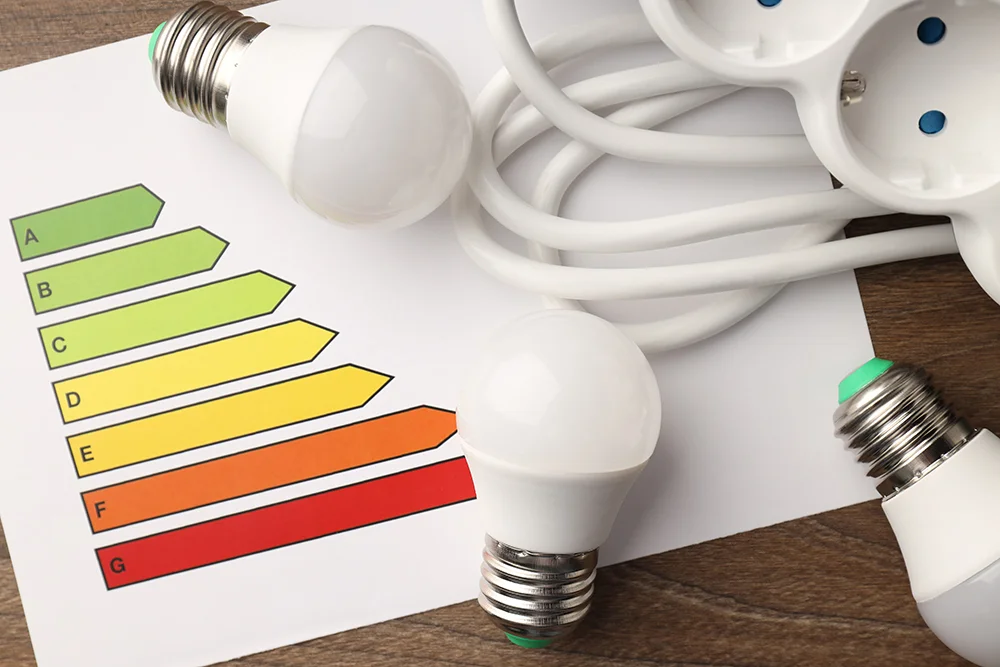
UK energy policy continues to place strong emphasis on upgrading existing housing stock to meet future efficiency targets, including improved EPC ratings and reduced carbon emissions. A fabric-first approach, starting with insulation and airtightness, remains central to government-backed retrofit guidance.
Homeowners who invest in these upgrades now are better positioned to meet future regulations, reduce long-term costs, and create warmer, healthier living environments.
Final Thoughts
The most effective retrofits are those that work together. By combining insulation, draught-proofing, efficient glazing, and smart controls, homeowners can achieve meaningful improvements in comfort and energy efficiency.
Warm Life Ltd specialises in delivering compliant, high-quality retrofit solutions tailored to each property.
Learn more about our retrofit and insulation services today.