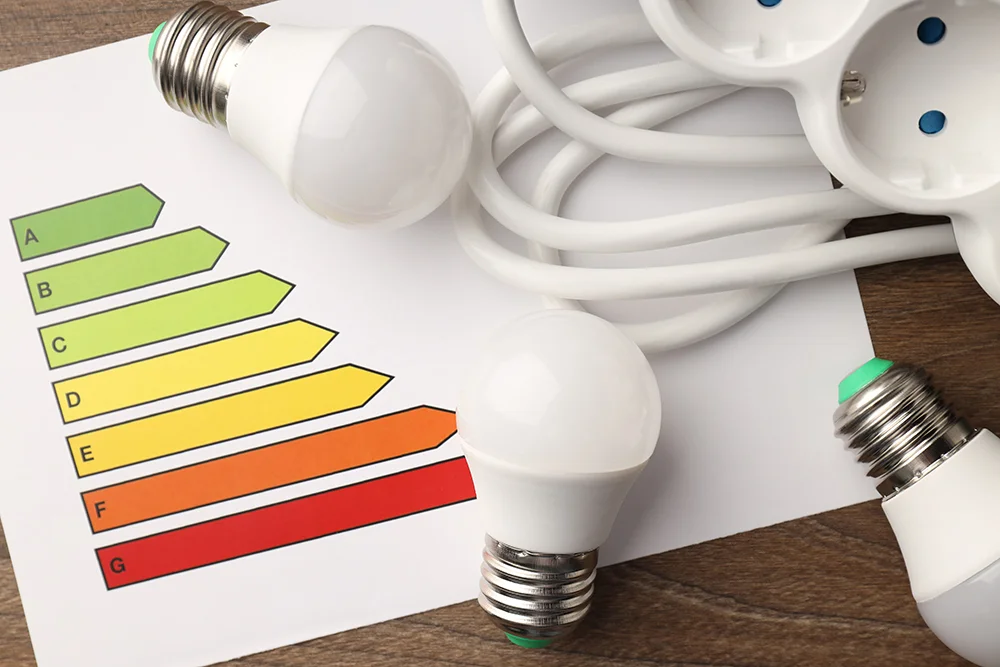
The UK Government has released a partial response to its consultation on Energy Performance Certificate (EPC) reforms for England and Wales. This isn’t just a minor update; it is a fundamental shift in how property value and energy efficiency are measured.
For homeowners, landlords, and the retrofit sector, these changes, aligned with the national Warm Homes Plan, signal a transition toward transparency, accuracy, and “fabric-first” logic.
Why the EPC System is Changing
The traditional A–G rating system, based primarily on modelled fuel costs, has long been criticised by industry experts for:
- Oversimplifying complex building data.
- Prioritising fuel prices over actual building insulation.
- Failing to reflect real-world thermal performance.
Government reform aims to make the new EPC a practical roadmap rather than just a legal hurdle.
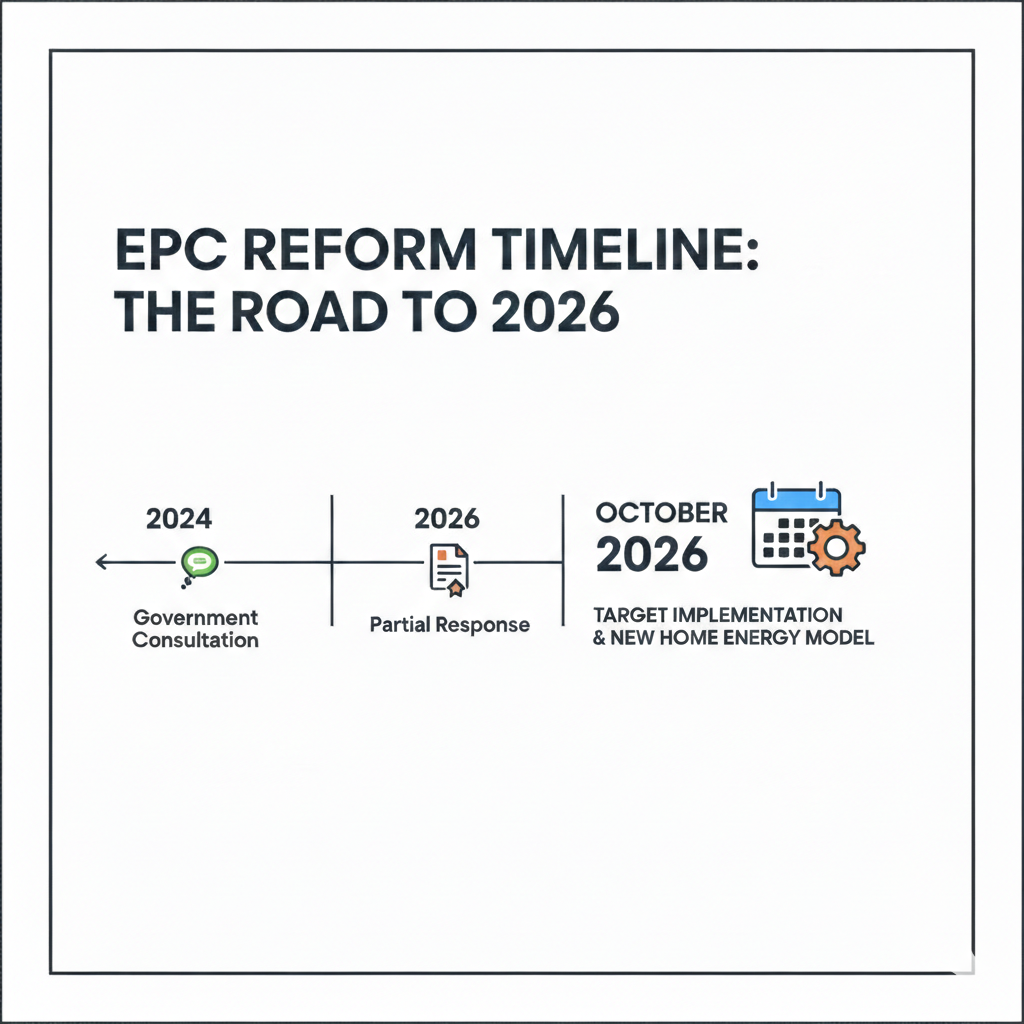
The 2026 Roadmap: What’s New?
The most significant change is the move from a single “headline” letter grade to four distinct performance metrics. By October 2026, the new domestic EPC will highlight:
- Fabric Performance: A dedicated score for how well your walls, roof, and glazing retain heat.
- Energy Cost Rating: An affordability metric to estimate actual running costs.
- Heating System Performance: An evaluation of the efficiency and carbon impact of your heating source.
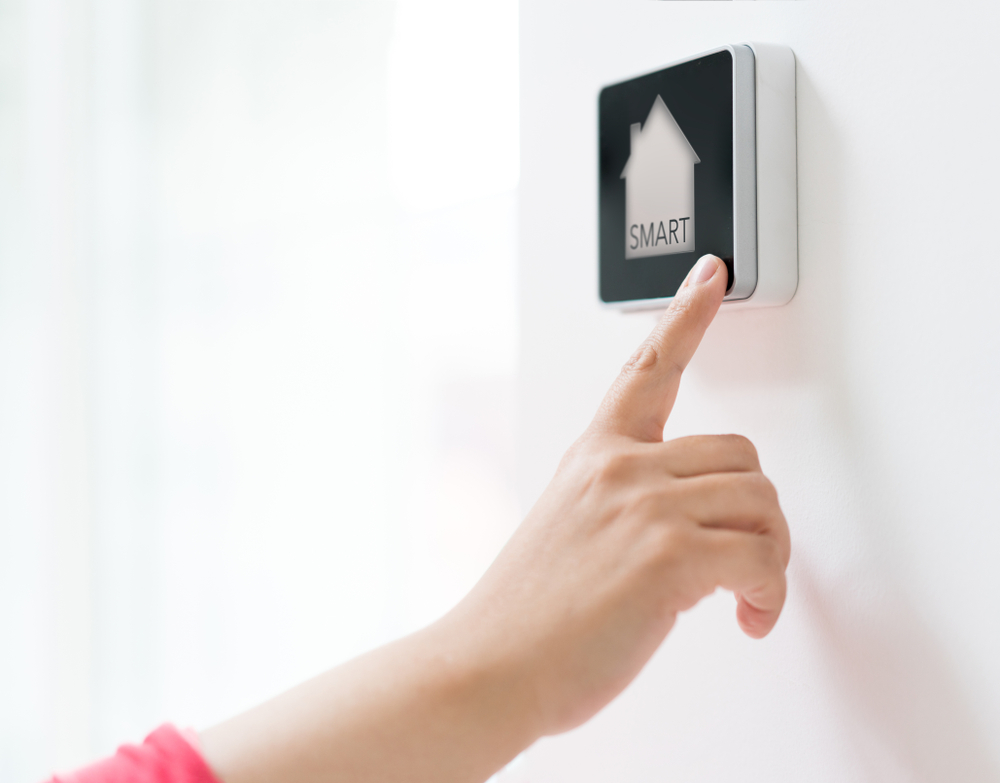
- Smart Readiness: The property’s ability to integrate with smart grids and energy-saving technologies.
This data will be powered by the new Home Energy Model (HEM), replacing the ageing SAP methodology to provide a more dynamic and accurate assessment.
What Stays the Same?
- Validity: EPCs remain valid for 10 years.
- Triggers: You still need a valid EPC to sell or rent a property.
- Commercial: Non-domestic properties will keep their carbon-focused metrics for the time being.
Strategic Implications for Property Owners
For Homeowners: Stop “Rating Chasing”
The new EPC becomes a diagnostic tool. Instead of wondering how to jump from a ‘D’ to a ‘C,’ you will clearly see where your home is losing heat. This allows for smarter investment in Thermal Improvements that actually lower bills, rather than just checking a box.
For Landlords: The Path to 2030
With Minimum Energy Efficiency Standards (MEES) expected to tighten to EPC C by 2030, these reforms provide the blueprint for compliance. Landlords should stop waiting and begin a phased improvement strategy, focusing on insulation and fabric first to future-proof their portfolios.
For the Retrofit Industry
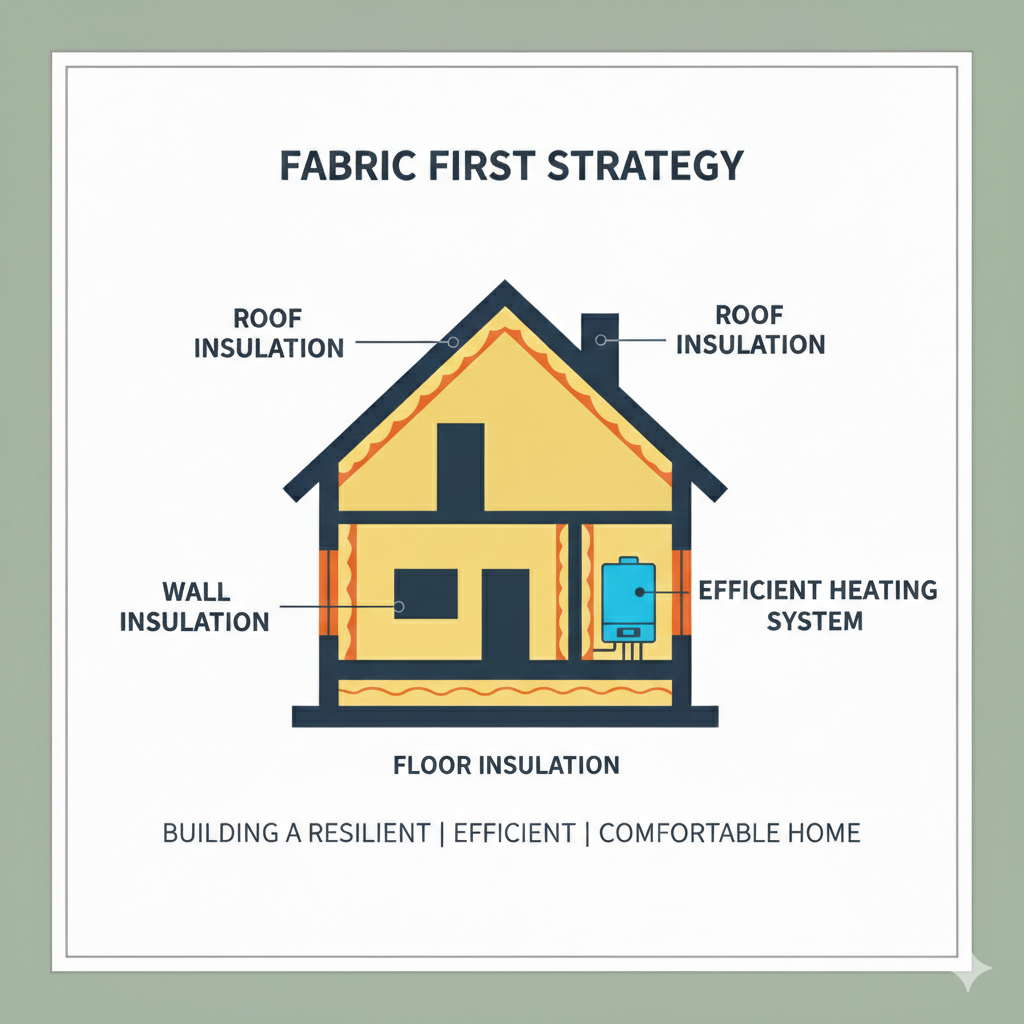
This reform reinforces the “Fabric First” approach that we advocate for at Warm Life Limited. It demands higher competency from assessors and more detailed reporting, ensuring that energy efficiency measures actually deliver the savings promised.
Key Takeaways for 2026
- Multi-Metric Reporting: No more single-score dominance.
- Fabric First: Insulation becomes a primary metric on the certificate.
- October 2026: The target date for full implementation.
- Early Preparation: Landlords must act now to avoid the 2030 compliance “bottleneck.”
How Can We Help?
At Warm Life Limited, we don’t just provide certificates; we provide solutions. Whether you need a Damp & Moisture Investigation to protect your fabric or a full Retrofit Plan to hit your 2030 targets, our team is ready to guide you through these changes.